
What it really takes to turn money lessons into a galaxy of adventure
When most people think of financial literacy, they picture spreadsheets, lectures, or maybe a budgeting worksheet.
We pictured a space station full of kids growing plants, running businesses, and trading goods in a virtual galaxy.
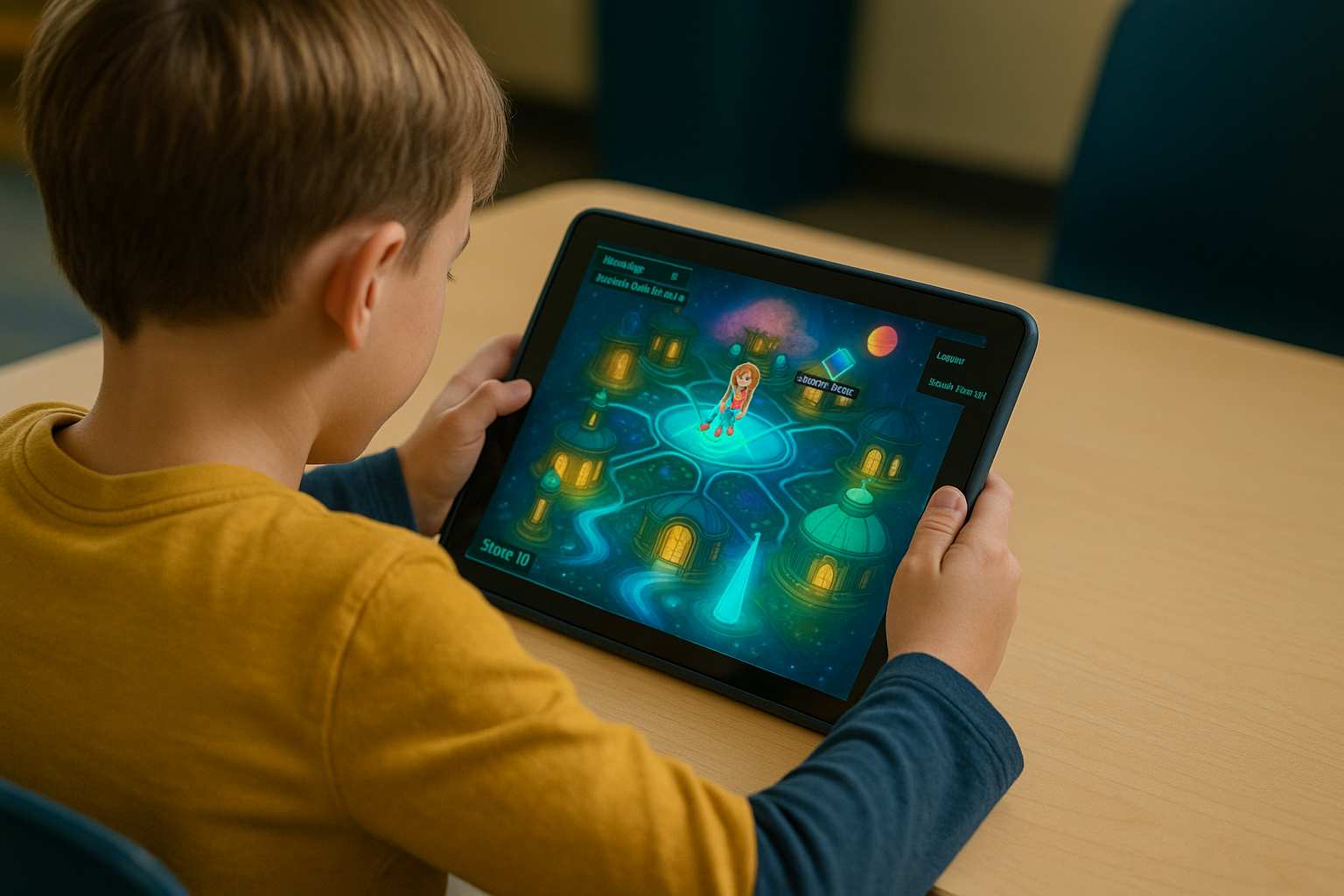
That’s how Wealthy Way Galaxy was born—a game that teaches real-world money skills through imaginative, age-appropriate play. But creating a game that’s both fun and educational is more complex than it looks. Here’s a look at what goes into it..
Step 1: Start with the Why
We didn’t want to make just another educational app. We wanted to change the way financial literacy is taught—and when it’s taught.
Most kids form their money habits before age 8. Yet most financial literacy programs don’t begin until high school. That means a huge window is being missed.
So we asked ourselves:
What if we could introduce these concepts early, in a way that kids actually loved?
The answer? A fully immersive, mission-based game world where every decision has a financial consequence—and every level teaches a life skill.
Step 2: Design a Game That Grows With Kids
One of the biggest challenges was designing for a wide age range—from kindergarten through 8th grade. Kids at different stages need different lessons and very different styles of interaction.
So we built three interconnected worlds:
- Space Station (K–2): Focused on needs vs. wants, saving, and trade-offs
- Alien Planet (3–5): Introduces budgeting, earning, and entrepreneurship
- Underwater World (6–8): Tackles credit, investing, interest, and risk
Each environment has characters, missions, and mini-games tailored to that age group.
And just like real life—older students can go back and revisit earlier lessons for reinforcement.
Step 3: Balance Education with Entertainment
This is where the magic happens—and where it gets tricky.
Every game mechanic, mission, and reward system has to be rooted in real financial principles without feeling like a math class.
So we:
- Introduced Space Dollars to simulate spending and saving
- Designed mini-games that mirror real decisions (Do I buy now or wait and save?)
- Created AI characters like Commander Luna and AI Penny to guide and encourage players
- Included progress tracking and badges to reward smart money moves
We also made sure the design felt magical: dreamy sci-fi art, relatable avatars, cozy pet companions, and a narrative arc that makes kids feel like heroes—not students.
Step 4: Build a Platform for Parents and Teachers, Too
Wealthy Way Galaxy isn’t just a game for kids—it’s a tool for adults who want to support financial growth.
We’re currently developing:
- Dashboards for parents and teachers to track progress
- Printable worksheets to extend learning offline
- Certification systems for schools to recognize learning milestones
- A growing content library of blog posts, tips, and activities
Because we know the biggest impact happens when everyone is on the same page.
Step 5: Keep Listening and Improving
We’re still building, testing, and growing. Every decision we make is shaped by real feedback from the people who matter most. Parents are asking for better tools to guide their kids’ financial growth at home. Teachers want curriculum that’s easy to integrate and ready to use. Kids are our most honest testers—letting us know when a game is too boring, too hard, or hits that sweet spot of just-right challenge and fun. And donors and community leaders are asking smart questions about how we measure progress and impact. Their input keeps us focused and evolving, ensuring this game isn’t just interactive—it’s alive.
Why It Matters
We’re not building this game just for fun (though we hope kids love every second of it!). We’re building it because early financial literacy is a powerful tool for long-term change. When kids learn how money works, they start seeing the world—and their place in it—differently. They become savers who plan ahead, investors who think long-term, entrepreneurs who solve problems creatively, and decision-makers who act with confidence. These aren’t just financial skills—they’re life skills. And the earlier we teach them, the bigger the impact.